Homes breathe. Air moves through soffits and eaves, sunlight hits siding and windows, and moisture tries to creep into places you don’t want it. When your exterior is coated with grime, pollen, mildew, and the film that comes from vehicle exhaust or wildfire smoke, your house doesn’t breathe as well. The surface gets darker, rougher, and less reflective, and that seemingly cosmetic change can nudge your utility bills upward, inch your indoor humidity higher, and even shorten the life of your HVAC system and roofing. That is why smart homeowners look at house washing services as more than curb appeal. Done right, it is part of a home’s energy strategy.
I have worked on homes that ranged from stucco bungalows to fiber cement colonials, from Inland Empire ranches to shaded coastal cottages. Across climates and styles, two things hold true. A clean exterior regulates heat better, and it helps a house shed moisture the way it was designed to. You don’t need harsh blasting to get there. Soft washing services, paired with knowledgeable technicians and the right chemistry, can lift years of buildup without chewing up paint, chalking the siding, or scarring vinyl. Below, I will unpack the practical links between exterior cleaning, energy performance, and day to day comfort, along with how to vet the best house washing companies and what to expect from a professional visit.
How a dirty exterior costs you money
The physics is simple. Dark, rough surfaces absorb more heat than lighter, smooth ones. When algae colonizes the north side of a home, or the fascia dulls under soot and dust, those surfaces warm up more under the sun. On summer afternoons, that extra absorbed heat radiates inward. On a small one-story home, the difference might be modest, but I have measured 5 to 8 degrees Fahrenheit higher wall surface temperature on dirty siding compared with freshly cleaned and sealed panels. Multiply that across a wall that sees eight hours of sun, and your air conditioner’s load climbs.
Windows suffer too. A film of pollen and grime on glass or low E coatings can cut visible light transmission by 5 to 15 percent. Less daylight inside means you switch on lamps earlier. It also changes solar heat gain in unpredictable ways. If your windows are designed to reject heat, the dirt layer disrupts that function. I once cleaned a set of south-facing sliders in a Riverside tract home and watched the owner’s living room drop from a stubborn 80 down to 76 with the same thermostat setting and AC cycle time. The only change was cleaner glass and cleaned tracks that allowed the weatherstripping to seal properly.
Moisture is the other big player. Soiling is not just dust. It is often biofilm that holds water. Algae on stucco or EIFS can keep a wall damp longer after a marine layer morning. Wood and fiber cement siding that never quite dries sees more conductive heat loss in cooler weather. If you ever notice that one room feels clammy even when the thermostat says the temperature is right, look for streaks of algae under the gutters or black in the drip edge below window sills. That moisture load migrates inward. Your HVAC system dehumidifies while it cools, so every bit of avoidable exterior dampness becomes an energy line item.
Why soft washing works better than brute force
Pressure washers are useful tools in the right hands. They are also very good at forcing water into places it should not go, stripping oxidation into streaks, and roughing up painted or coated surfaces so they attract dirt faster. Soft washing services are built around the opposite idea. Use low pressure, often under 300 PSI at the surface, and rely on targeted detergents that break bonds between the grime and the substrate. Rinse gently, and you protect caulk lines, window seals, and those tiny points where siding laps over the course below.
On vinyl and aluminum, the finish is thin. Aggressive pressure can etch a dull path that you cannot buff out. On stucco, too much force opens the surface, creating pockets for dust and spores. In coastal or desert zones, those pockets wick salts and dirt. Soft washing avoids that damage. A smart mix might include a mild surfactant, a diluted sodium hypochlorite solution for organic growth, and a neutralizer to stop the action. Rinse volumes are controlled to keep water away from soffit vents and underlaps. The result is a cleaner surface that stays clean longer, which directly feeds into better reflectivity and less moisture retention.
One caution: chemistry matters. If you have landscaping tight to the house, any company offering house washing near me should be prepared to pre-wet plants, use catch mats where practical, and neutralize runoff. In the Inland Empire, I often see mature citrus and bougainvillea hugging stucco walls. A good crew shields those roots and times the wash to cooler parts of the day, so plants do not absorb a dose they can’t handle.
From curb appeal to kilowatts, the energy links in detail
A bright, reflective exterior reduces solar heat gain. That is especially true for light colored paints and coatings marketed as “cool” or “high albedo.” Dust and biofilm erode the reflectance that makes those coatings effective. A simple handheld IR thermometer tells the story. Before cleaning, west facing beige fiber cement might read 134 degrees on a 95 degree afternoon. After soft washing, the same panel drops to 125. Eight or nine degrees at the surface can translate to a degree or two inside, which is enough to change your AC cycle pattern.
Gutters and eaves matter just as much. Clogged gutters hold water against fascia boards and keep the shaded top edge of the siding damp. That damp band is often where algae takes hold first, which then spreads down. Keeping the gutter system clean, and washing the exterior soffit panels, keeps attic ventilation working. Remember that attic ventilation, when balanced, expels superheated air and moisture. If soffit vents are caked with dirt or spider webs, intake falls off. I have cut 5 to 10 degrees from attic air temperature simply by cleaning vent screens while doing the exterior wash. Cooler attic, lower ceiling heat load, happier insulation, and fewer late night AC cycles.
Windows and doors benefit a second way. Tracks and thresholds collect gritty paste. As doors and windows operate, that grit abrades weatherstripping and misaligns latches. After a few seasons, you lose your tight seal, and conditioned air leaks at the worst times. When we include window frame washing, we always brush the tracks, clean weep holes, and lightly lubricate the contact points. That maintenance shows up in blower door tests. A tight house saves energy in summer and winter, and it feels less drafty.
Finally, roofs. The roof is often the largest solar collector on the property. Algae streaks on asphalt shingles are not just ugly, they grab heat. A soft wash for roofs, using manufacturer approved methods, can restore a roof’s reflectivity and help shingles last longer. If you have solar panels, cleaning them is its own topic, but a basic wash of the roof around them helps airflow under the panels, which improves panel efficiency a bit and keeps wiring and junction boxes cooler.
Comfort is not just a number on a thermostat
Comfort is the absence of irritants. Fewer hot spots on exterior walls means fewer hot zones inside where you can feel radiant heat while you sit on the couch. A dry exterior wall transmits less coolth out of the house on winter nights, particularly in homes with modest insulation. Clean windows let in more daylight, which lets you run the lights less and enjoy a more even mood through the day. Dusty bug screens on the shady side can cut airflow. When you clean them, evening breezes become useful again. I have had homeowners tell me their ceiling fan finally feels like it moves air after we clean the screens and wash the fan blades as a courtesy.
Sound carries differently too. Algae that has colonized stucco makes it rougher and more sound absorbent, which is fine for acoustics, but it indicates persistent dampness. That dampness can make interior rooms feel clammy. When exterior walls are dry and clean, humidity stabilizes indoors. Your body reads that as comfort, even if the thermostat stands still. The HVAC team will appreciate it as well. When the system does not have to fight extra latent load, it runs smoother and lasts longer.
What to expect from a professional soft wash
Every property is different, but a well run service call shares some rhythms. A walk around comes first. The crew notes materials, plantings, delicate areas, and problem zones like north side mildew or sprinkler overspray marks. They ask about past paint jobs, caulking, and known leaks. If you are shopping for soft washing near me, look for teams that want this conversation. They are signaling that they intend to care for the house, not just blast it clean.
Set up includes protecting outlets, door thresholds, and any electronics mounted near the wash path. Plants get watered and covered if needed. Chemistry is mixed on site within agreed ranges. A seasoned tech will often start at the bottom with a pre rinse to cool surfaces and push loose grit down. Then the application phase begins, with low pressure delivery of the detergent solution. Dwell times vary by temperature and growth levels, often between 5 and 15 minutes. On hot days in places like the Inland Empire, shorter dwell with a second pass is better than letting product dry on the wall.
Rinsing is where you see technique at work. Consistent, overlapping passes, attention to drip edges and under laps, and quick hand brushing on stubborn lines. Windows get a final polish with pure water or squeegee to prevent spotting. Metal fixtures like light housings or mail slots get wiped down. The crew should open a few weep holes and ensure water is flowing out where it should. They finish with a pH neutralizing rinse where bleach-based solutions were used, which protects landscaping and painted surfaces.
It is common to tack on small items that compound the comfort gains. Clearing soffit vents, rinsing the top of the AC condenser coil, brushing exterior dryer vents, and washing porch ceilings and fans. Each takes minutes and adds outsized value. If your quote breaks these into add-ons, weigh them seriously.
Choosing among the best house washing companies
Most areas now have multiple providers offering house washing services. Sorting the pros from the pretenders is not hard if you know what to ask. Insurance and references are basic. Beyond that, listen for how they talk about materials, chemistry, and water management. If you hear a lot about PSI and tips with no mention of dwell time, surfactants, or neutralizers, keep looking.
Pricing often reflects prep and protection. A van that shows up with plant shields, gutter guards, and pH test strips is not a gimmick, it is a sign they plan to leave your property healthier than they found it. The best house washing companies also schedule around weather. They avoid washing in high wind that could drift product, or on hard freeze mornings that could leave slick surfaces. In hotter valleys, they might aim for an early start and finish before noon.
Local knowledge matters. Inland empire house washing, for instance, pays special attention to mineral residue from hard irrigation water and soot from seasonal fires. You attack those differently than a simple algae wash. Ask a provider what adjustments they make for local water conditions and prevailing grime. Their answer will teach you a lot about their experience.
The maintenance rhythm that pays you back
A good wash lasts. You do not need to wash every few months unless you live under a sappy tree. For most homes, once a year or every 18 months is enough to keep energy benefits going. Spring washing prepares a house for summer heat by restoring reflectivity and freeing vents. Fall washing in coastal or fog prone areas helps surfaces dry out faster in cooler weather.
Watch your gutters and window tracks between washes. Debris there undermines much of the good work. Trim any sprinkler heads that spray the house, especially on stucco. That sprinkler mist is a reliable algae starter and leaves white halos of minerals that cling to paint. If you paint your house, plan a soft wash and light neutralization before the paint job. Paint sticks better to a properly cleaned surface, and your painter will thank you for the prep they did not have to do.
If you have been searching house washing near me and sorting through options, keep in mind that siding material and color set your baseline. Dark colors absorb more heat regardless of cleanliness. That is not a reason to avoid dark colors, just a reason to keep them clean so they perform as designed. The same goes for textured stucco. It will always hold a bit more dust than smooth lap siding. Routine soft washing prevents that dust from turning into a bonded grime that requires stronger chemistry later.
When a pressure washer is actually the right tool
Soft washing covers the majority of exterior needs, but there are exceptions. Tough, mineral bonded staining on masonry sometimes responds better to targeted pressure along with an acid wash specifically suited for the stone or mortar. A seasoned tech will dial pressure just enough to lift the stain while protecting the substrate. Old, flaking paint that is slated for removal is another case where pressure can help, but that is prep work, not typical house washing. For composite decks or painted porches, even then, I usually prefer low pressure plus the right cleaner to avoid raising the grain or causing fuzz.
Roofs need special caution. Most shingle manufacturers specify soft wash only, with low pressure and specific cleaning agents. If a company suggests blasting your roof clean, decline. You will lose granules that protect the shingle, and you risk forcing water under the courses.
Regional notes for Inland Empire homes
Sun, dust, and hard water define a lot of the exterior grime in the Inland Empire. Afternoon winds can deposit a fine layer that binds with any residual pollen. It is common to see a tan film on the windward side and algae on the shaded side. If you irrigate early morning with pop up sprinklers, the mist often lingers long enough on cool stucco to feed growth. The fix is twofold. Adjust watering to pre dawn, and add a little more throw to the heads so spray clears the wall. Then schedule soft washing services before the peak heat, ideally late spring. That timing removes winter and early spring grime and gives your paint a chance to breathe in high heat months.
Wildfire seasons complicate things. Ash is corrosive when wet. After heavy ash fall, a gentle rinse of windows and sills can prevent etching. A full soft wash after the season passes brings energy benefits back and protects coatings. If your home has solar panels, pair the roof wash with panel cleaning, or at least dust them off. Even a 5 percent gain on a small residential array can equal a few hundred kilowatt hours over a summer quarter.
A realistic look at costs and returns
It is fair to ask what this all adds up to. On a typical 2,000 square foot single family home, professional house washing services might run from a few hundred dollars to around a thousand, depending on complexity, stories, and add-ons like gutters, windows, or roof edges. Energy savings vary. In hot climates with decent insulation and modern windows, I have seen summer electricity use drop 2 to 6 percent after a thorough wash, with larger gains if windows and tracks were neglected for years. That may look modest until you consider that washing also protects paint, extends the life of caulking, and reduces the need for early repainting. Postponing a $7,000 paint job by even one year because you kept the exterior clean is a real financial win.
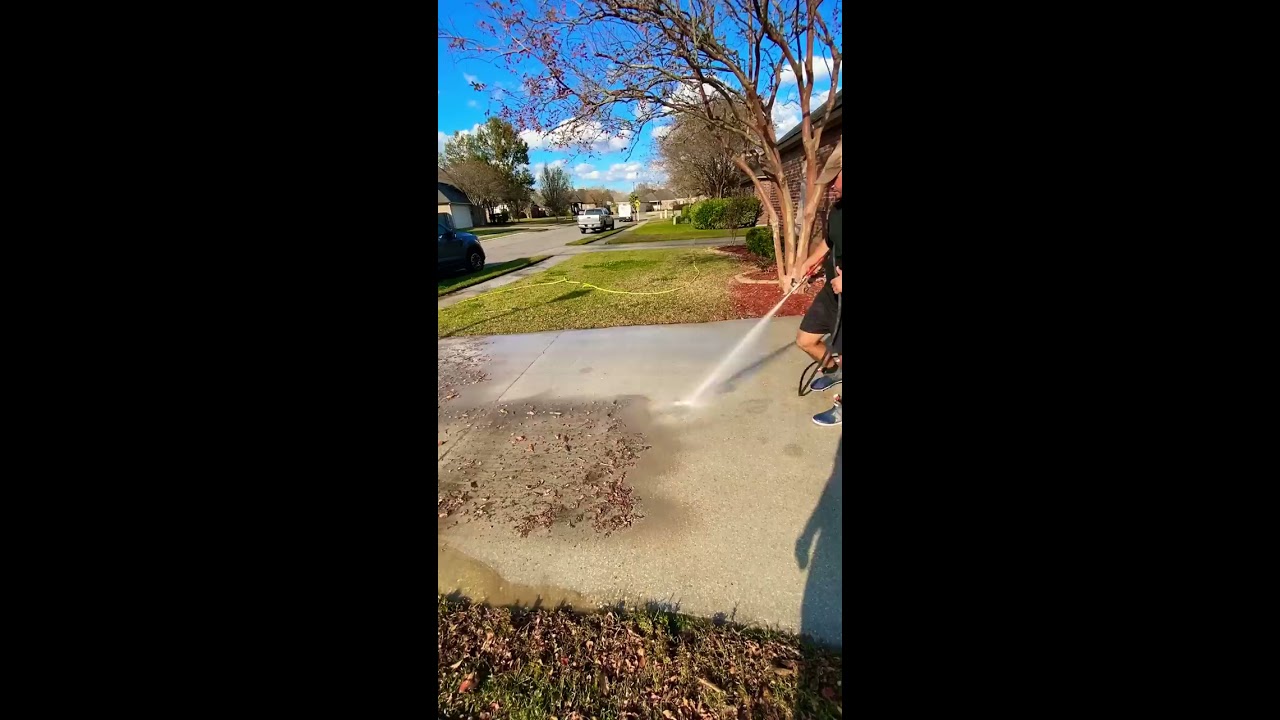
Comfort gains are harder to quantify, but every homeowner feels them. Cooler rooms on the sun side, fewer late afternoon AC sprints, less dust sneaking in around leaky sliders, and brighter indoor light so you can delay switching on lamps. If you work from home, these improvements https://griffinylov627.tearosediner.net/how-to-prepare-your-home-for-a-professional-house-washing-service become daily benefits.
Do it yourself or hire out
There is nothing wrong with rinsing your own siding and giving windows a scrub. For small one story homes with simple landscaping, a homeowner can maintain a decent baseline. Be cautious with store bought cleaners and hose end sprayers. Many are fine for light dirt, but they struggle with algae without enough dwell time. Most homeowners overcompensate with scrubbing, which risks scuffing coatings.
The leap to professionals pays off when you have delicate surfaces, a lot of glass, multiple stories, or you want the energy and comfort benefits that come from a true top to bottom clean, including vents and tracks. If you search soft washing near me, read reviews that mention plant protection, dwell times, and post rinse neutralization. Those details reflect competence.
A simple, practical checklist before you book
- Walk your home and note problem zones: algae streaks, sprinkler splash, dull walls, hot rooms connected to sun-soaked walls. Ask providers how they protect plants, manage runoff, and handle different materials on one home. Time your wash for the season and time of day that helps chemistry work, and protects plants and finishes. Add window track cleaning, soffit vent clearing, and light gutter work if they are available. After the wash, adjust sprinklers and plan a light rinse after any fire smoke or heavy windstorms.
Where to start if you are new to exterior maintenance
If you have never hired house washing services, start with a single comprehensive visit. Treat it as a baseline reset. Have the crew handle siding, trim, soffits, windows, and a light roof edge rinse if your roof allows it. Get before and after surface temperature readings if they offer that. Many good teams carry IR thermometers and are happy to show you. Then live with the home for a season. Pay attention to how the rooms feel during hot afternoons, whether your blinds stay open longer because the daylight is better, and what your HVAC runtime looks like compared with similar weeks from last year. If your climate allows, note how long the exterior stays clean. That will guide your maintenance interval.

Repeat every year or so, and you have added a low drama, high value step to your energy plan. It pairs nicely with LED retrofits, duct sealing, and smart thermostats, but it asks far less of your schedule and budget. A clean, dry, reflective exterior is a simple thing that pays dividends in quieter ways than a new appliance, yet it supports every comfort system you already own.
If you live in the Inland Empire or a similar sun baked region, working with a local team that understands hard water, wind patterns, and summer heat will smooth the process. Search for inland empire house washing or house washing near me and look for companies that lead with soft washing services, not pressure, and that will speak easily about materials and chemistry. Your home will run cooler, your rooms will feel better, and the exterior will last longer. That is the kind of maintenance that earns its keep.
ABM Window Cleaning
6341 Pumalo Ct, Highland, CA 92346
(951) 312-1662
At ABM Window Cleaning, we don’t just soft wash homes—we brighten lives.
From homes to businesses, we bring light back into your spaces, whether through sparkling windows, clean gutters, or solar panels working at their best.
Our work is about more than clean surfaces; it’s about how you feel when you see them shine.
Every day, we’re grateful for the chance to serve, and we can’t wait to bring that brightness to you.